Film
What Christopher Nolan's IMAX obsession is actually about
K
Kiribé Editor
July 19, 2026
2 min read
The format war is not really about resolution — it's about a director defending a specific kind of theatrical attention.
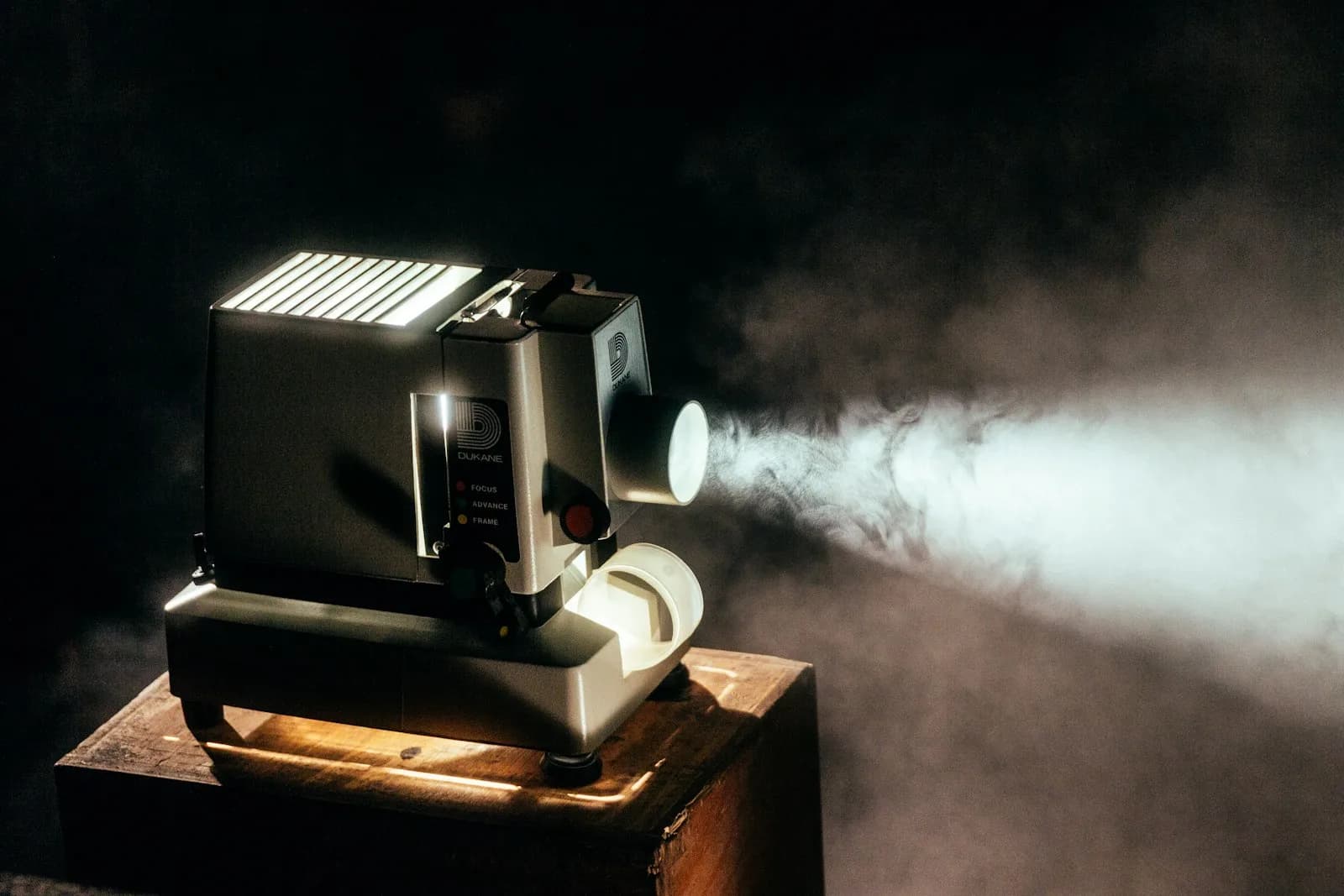
Christopher Nolan has spent the last twenty years arguing that IMAX 70mm is the highest-fidelity theatrical format available, and he is correct. He is also, arguably, arguing for something slightly different — that a specific size of image, projected on a specific size of screen, produces a specific kind of audience attention that no other format has ever quite replicated. The technical case is real, but the aesthetic case is the one worth defending.
An IMAX frame is roughly ten times the surface area of a standard 35mm frame. That is not a marketing claim; it is a physical measurement. What it produces at cinema scale is a level of detail that the eye has to work slightly harder to consume, which in turn produces the sensation of being present inside the shot rather than watching it. Nolan understands this at the level of composition — his IMAX sequences are typically wider, longer-held, and structured around the eye's natural tendency to scan the image.
The Oppenheimer roll-out was, in a sense, a stress test of the format's cultural viability. Universal put nineteen prints of the 70mm cut into circulation and every one of them sold out within hours of the release. That is not a fluke. It is proof that a certain slice of the audience is willing to travel across cities for a specific projection standard, which contradicts the industry consensus that theatrical is dying because audiences no longer care about quality.
The pushback is legitimate: only fifteen or so cinemas in the world can project 70mm IMAX, and it is not obvious that a distribution strategy built around fewer than two dozen venues is a durable business model. Nolan's answer, essentially, is that the format sets a ceiling — the shorter, digital-only release still benefits from having been mastered from the higher standard.
The industry could take the lesson without adopting the format. What Nolan is really defending is theatrical specificity: the idea that a film should be optimised for the room it is shown in, and that a home-screen experience is a substitute rather than a replacement. That is a position worth defending regardless of which format wins the argument.
Share
K
Kiribé Editor
Editorial Desk
Published by the Kiribé editorial desk, covering culture, cinema, and the intersection of art and society across the African continent and beyond.
Read next

TV
Streaming's algorithm blues
The recommendation engine has quietly become the most powerful commissioning editor in Hollywood — and it is making some very safe choices.
Kiribé Editor
·
Film
The comeback of the two-hour drama
After a decade of three-hour epics and hundred-minute streamers, the two-hour drama is quietly returning as the industry sweet spot.
Kiribé Editor
·

Film
A short defense of the mid-budget
Hollywood has hollowed out the middle — tentpoles at one end, independents at the other. That's the wrong shape for a healthy industry.
Kiribé Editor
·
Join the Conversation
Stay Ahead of the Story
Subscribe to Kiribé for premium entertainment journalism, exclusive interviews, and cultural commentary delivered weekly.