Film
Nollywood breaks out at TIFF
K
Kiribé Editor
July 19, 2026
2 min read
Toronto has been a friendly festival for African cinema for years, but the 2026 edition made the shift feel permanent rather than seasonal.
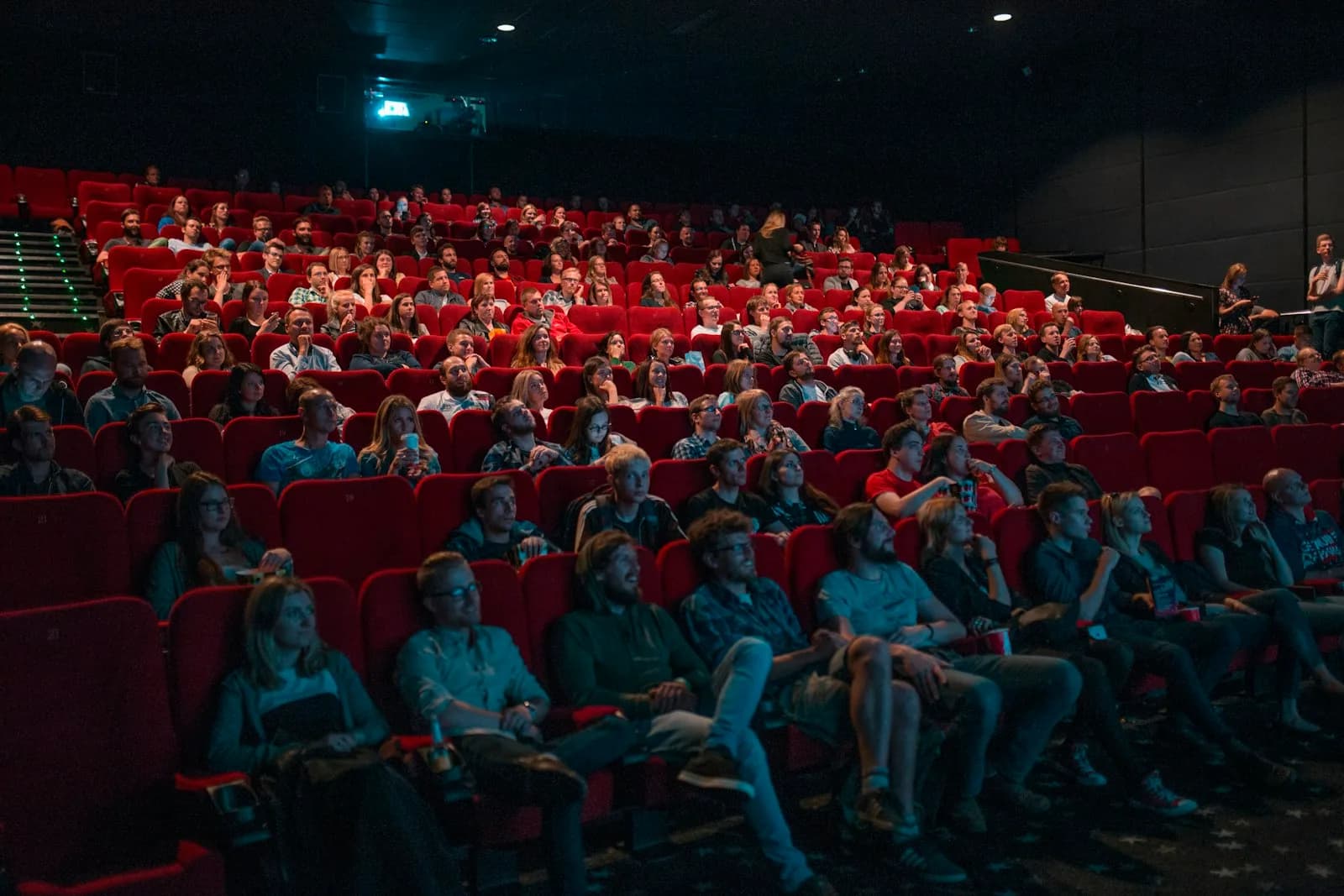
The Toronto International Film Festival has been quietly programming Nigerian cinema for the better part of a decade, but this year's edition felt like an inflection point rather than a continuation. Four Nigerian features screened in official selection, two of them in Special Presentations, and the demand for tickets outstripped the venues by a comfortable margin. The pavilion in the Fairmont hosted more industry meetings than it had chairs.
The programming choice worth noting is the balance. The slate included Kunle Afolayan's newest slow-burn drama, a first feature from a Lagos-based woman director, a documentary about Fela's estate, and a Nollywood genre picture that would have been unthinkable at TIFF five years ago. Toronto has stopped treating African cinema as a curated category and started treating it the way it treats French or Korean cinema — as a national industry with its own texture and range.
Sales activity told the same story. Two of the four features left Toronto with international distribution deals, one of them with a streaming pre-buy attached. Local sales agents from Lagos and Nairobi were reportedly in room after room, and the after-parties on King Street were louder than they have been in years.
The counter-current is the ongoing struggle for cinema exhibition inside Nigeria itself. A film can win Toronto, sell to Amazon, and still find that only twelve screens back home will book it opening weekend. The distribution problem is not solved by festival attention; it is only ratified by it. Nollywood needs its own equivalent of the arthouse circuit if the festival wins are to translate into a durable industry.
That work is happening, slowly. Silverbird has quietly refurbished three screens for prestige programming. Blue Pictures is committing to a mid-budget slate. And the next generation of Nigerian critics is starting to make the case that the industry deserves the same critical infrastructure it demands from Toronto. TIFF is a symptom, not a solution — but it is a very useful symptom to have.
Share
K
Kiribé Editor
Editorial Desk
Published by the Kiribé editorial desk, covering culture, cinema, and the intersection of art and society across the African continent and beyond.

Read next

News
A24 signs multi-picture deal
The distributor's new three-year commitment locks in slate depth and signals a shift in mid-budget commissioning.
Kiribé Editor
·
News
Nollywood distribution deal in South Africa
A new pan-African distribution agreement gives Nigerian producers guaranteed screens in Johannesburg and Cape Town.
Kiribé Editor
·
Film
Cannes 2026 jury dispatch
The Palme jury delivered a split verdict — a win for African cinema, a snub for the streamers, and a lot of shouting on the Croisette.
Kiribé Editor
·
Join the Conversation
Stay Ahead of the Story
Subscribe to Kiribé for premium entertainment journalism, exclusive interviews, and cultural commentary delivered weekly.