
Events
Toronto Nollywood premiere
K
Kiribé Editor
June 18, 2026
2 min read
The Nigerian feature that opened TIFF's Special Presentations slate arrived with unusual audience anticipation — and largely delivered.
The Nigerian feature that opened TIFF's Special Presentations slate arrived in Toronto with unusual audience anticipation — the pre-festival buzz through the diaspora press had been building for weeks — and largely delivered on the expectations. The film's craft was strong, its cultural specificity was intact, and its critical reception across the American and European trade press was unusually warm for a Nigerian production without prior international festival attention.
The film itself is a mid-budget drama set in Lagos, directed by a filmmaker whose previous work had been mostly domestic. The production values are visibly stronger than the director's earlier features, and the additional budget was clearly deployed toward specific craft priorities — cinematography, sound design, and post-production colour — rather than diffused across the production. That specific allocation is a maturity signal in Nigerian production practice, and it is one the industry has been slow to normalise.
The critical response is worth breaking down. The American trade press engaged the film seriously and largely on its own terms — not as an example of Nigerian cinema but as a specific film with specific craft choices — which is the register the industry has been asking for and rarely gets. The European response was similarly serious. The Nigerian trade coverage was, unusually, more cautious than the international coverage, largely because the film's slower pacing runs counter to the commercial expectations of the domestic industry.
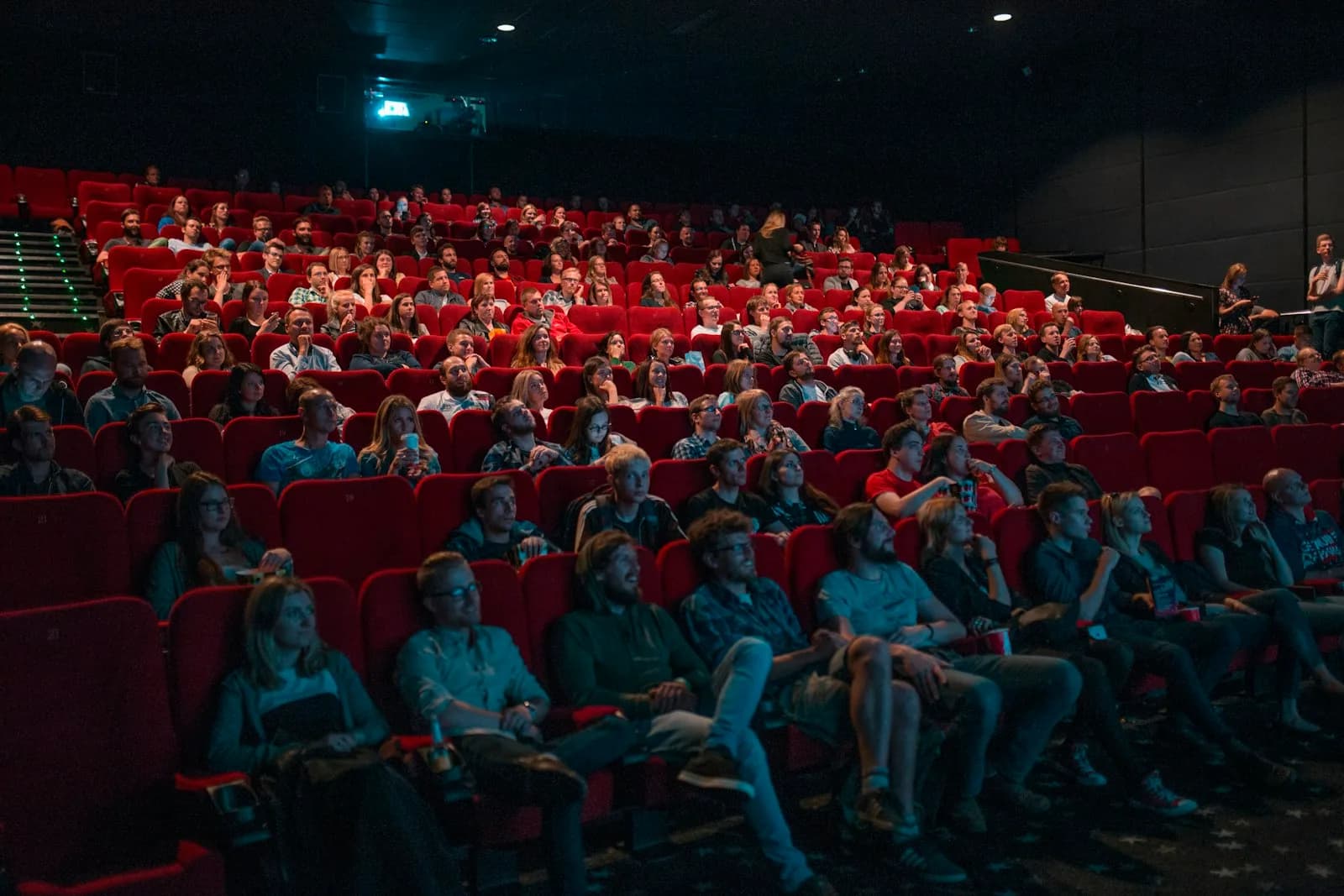
The audience response was warmer than the critical response, and unusually so. TIFF audiences skew older, more experienced with international cinema, and more willing to engage with pacing that would test a Nigerian commercial audience. The strong audience Q&A after the premiere, and the visible engagement of the diaspora Nigerian audience with the film's specific cultural details, suggested that the international audience for Nigerian slow cinema is larger than the commercial industry has been willing to credit.
What the Toronto premiere demonstrated, more broadly, is that the specific gap between Nigerian critical expectations and international critical expectations has been narrowing, and that Nigerian mid-budget prestige cinema is now legible to international audiences without the mediation of an American co-production. That is a durable achievement, and it changes the distribution conversation for the next generation of Nigerian prestige films. Watch what gets financed on the strength of this reception. It will be a meaningful year.
Share
K
Kiribé Editor
Editorial Desk
Published by the Kiribé editorial desk, covering culture, cinema, and the intersection of art and society across the African continent and beyond.
Read next
Events
Sundance dispatch — five films to watch
The 2026 Sundance selection produced an unusually strong mid-week discovery slate — five films from the middle of the festival worth tracking.
Kiribé Editor
·
Events
New York African Film Festival highlights
The 2026 edition of NYAFF confirmed the festival's renewed programming ambition and produced two genuine discoveries.
Kiribé Editor
·

Events
TIFF's African Cinema Pavilion
Toronto's new permanent pavilion is the most concrete institutional commitment to African cinema any major festival has yet made.
Kiribé Editor
·
Join the Conversation
Stay Ahead of the Story
Subscribe to Kiribé for premium entertainment journalism, exclusive interviews, and cultural commentary delivered weekly.