Events
Locarno's Kunle Afolayan retrospective
K
Kiribé Editor
June 17, 2026
2 min read
The Swiss festival's mid-career retrospective on Kunle Afolayan is the most serious international engagement his work has yet received.
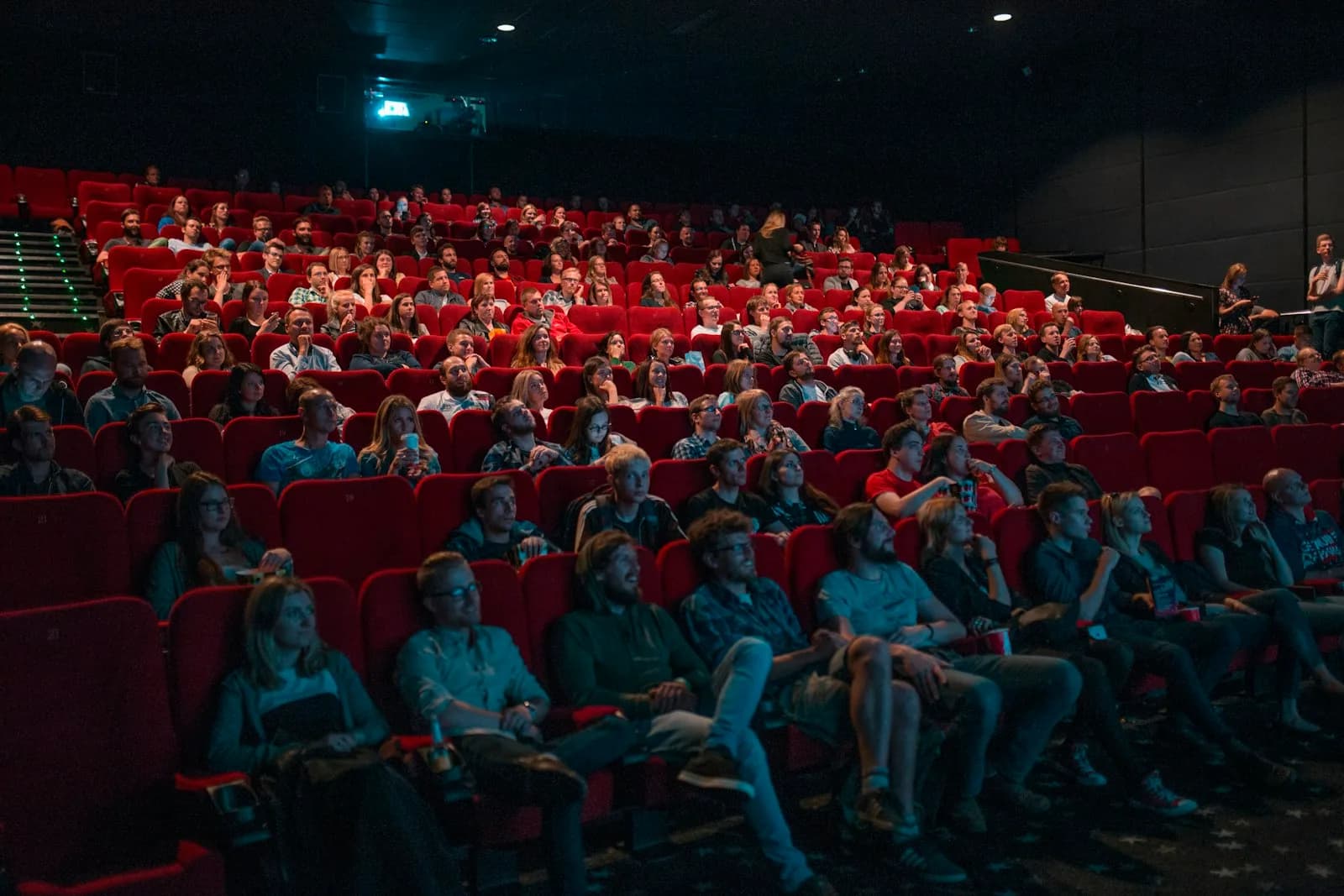
The Locarno Film Festival's mid-career retrospective on Kunle Afolayan — five films across a week of screenings, with the director present for two Q&A sessions — is the most serious international engagement Afolayan's work has yet received, and it is arguably overdue. Locarno's decision to programme the retrospective at this specific point in his career, with the recent Anikulapo work still commercially fresh, is unusually well-timed and unusually attentive.
The programming choice within the retrospective is worth attending to. Locarno's programmers included the two early features that established Afolayan's technical ambitions, the middle-period commercial work that consolidated his industry position, and the recent slow-cinema turn that has been his most critically praised. The five-film selection is a genuine argument about the shape of his career, and it foregrounds the specific compositional discipline that runs across the work rather than treating the individual films as isolated achievements.
The critical response over the retrospective week was serious and mostly informed. European trade press coverage engaged Afolayan's technical choices rather than treating him as a representative of Nigerian cinema in general, which is the register the industry has been asking for and rarely gets. Coverage of his slow-cinema turn in particular was unusually substantive, with several long-form pieces that engaged specifically with his DP collaborations and his editing rhythms.
The critique that could be made of the retrospective is a fair one about the wider gap between critical recognition and commercial distribution. Locarno's programming will not, by itself, produce new distribution for Afolayan's back catalogue in Europe, and the retrospective is largely a critical event rather than a commercial one. That is a real limit, and Afolayan's team is publicly working with European sales agents to try to translate the critical attention into concrete distribution outcomes. Whether that translation happens is one of the meaningful open questions for his international career.
What the Locarno retrospective demonstrated, more broadly, is that the international festival system can, when it chooses, engage seriously with African auteurs on the same critical terms it applies to European or American directors of comparable achievement. That the choice is available and rarely made is the harder observation the retrospective invites. The industry should push for more of these mid-career programmes — for Afolayan, and for the other African directors whose work justifies them. Locarno has set a specific benchmark. Others should meet it.
Share
K
Kiribé Editor
Editorial Desk
Published by the Kiribé editorial desk, covering culture, cinema, and the intersection of art and society across the African continent and beyond.
Read next

Events
TIFF's African Cinema Pavilion
Toronto's new permanent pavilion is the most concrete institutional commitment to African cinema any major festival has yet made.
Kiribé Editor
·
Events
AMVCA 2026 wrap
This year's Africa Magic Viewers' Choice Awards confirmed the direction of Nigerian television and produced a few unexpected wins.
Kiribé Editor
·
Events
AFRIFF opens Lagos
The Africa International Film Festival returned to Lagos with its largest slate ever — and its most confident opening night in a decade.
Kiribé Editor
·
Join the Conversation
Stay Ahead of the Story
Subscribe to Kiribé for premium entertainment journalism, exclusive interviews, and cultural commentary delivered weekly.